

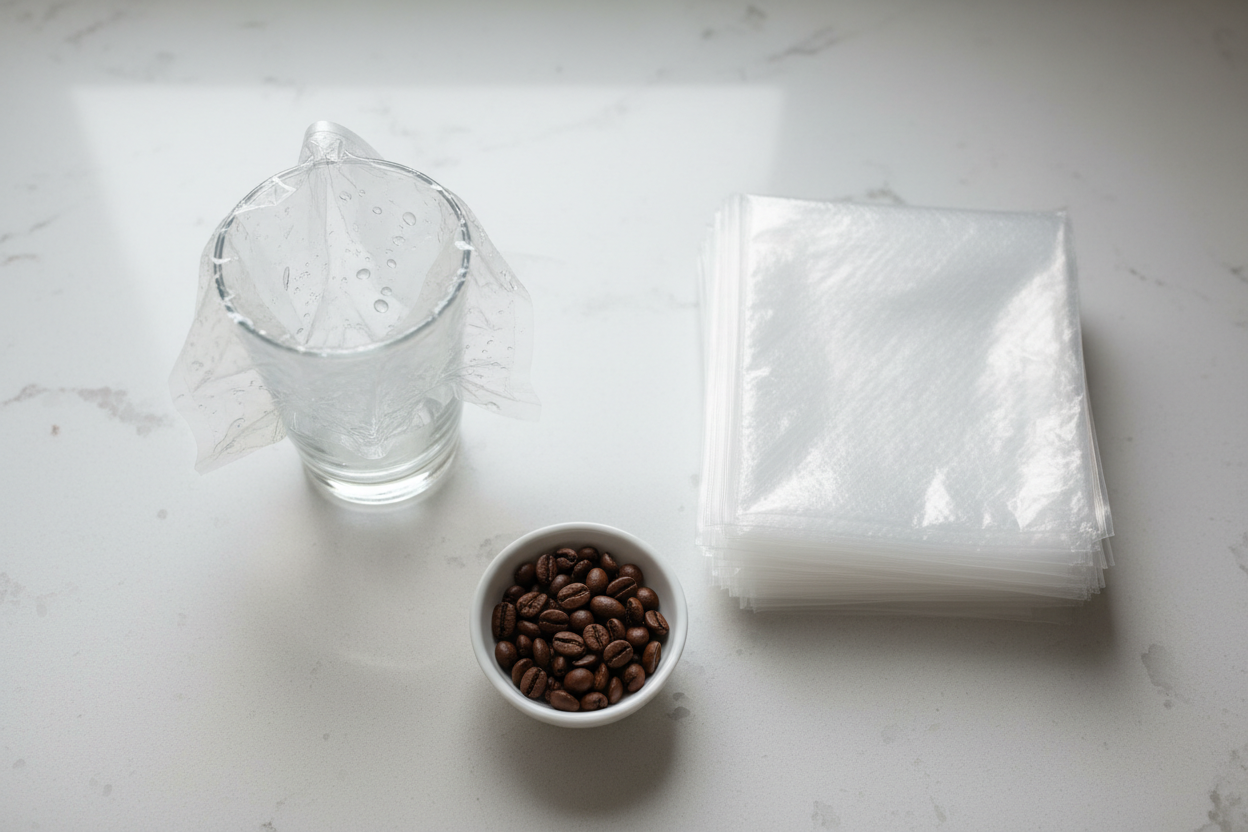

If you've ever emptied a vacuum-sealed bag and paused before tossing it — wondering whether you could rinse it out and use it one more time — you're not alone. Vacuum sealer bags aren't cheap, and reusing them feels like the obvious way to cut costs and waste less plastic. But is it actually safe? And does a reused bag still seal as well as a fresh one?
The honest answer is: it depends on what was in the bag. In this guide, we'll cover when it's genuinely safe to reuse a vacuum seal bag, when you should throw it away without a second thought, how to clean and reseal one properly, and the mistakes that get people into trouble.
Quick Answer
Yes, you can reuse vacuum sealer bags if they were used to store dry, low-risk foods — think bread, chips, dry pasta, or coffee — and show no punctures, discoloration, or lingering smell. Bags that held raw meat, poultry, fish, or anything liquid or oily should be thrown out after one use. Bacteria and oils can work their way into the seal and micro-texture of the bag in a way that washing can't fully remove.
What Actually Determines Whether a Bag Is Safe to Reuse
Before you decide to wash and reseal a bag, it helps to know what you're really evaluating:
• What the bag held — dry goods are low-risk; raw protein and liquids are not.
• Bag condition — any puncture, thinning, or cloudiness near the seal means it's done.
• How it was cleaned — a quick rinse isn't the same as a full wash and complete air-dry.
• How many times it's already been reused — every wash cycle weakens the plastic slightly.

When It's Safe to Reuse Vacuum Sealer Bags
Reuse is generally fine when all of the following are true:
• The bag stored dry food only (bread, crackers, pasta, rice, coffee beans, nuts).
• Nothing raw, marinated, or liquid ever touched the inside of the bag.
• There are no visible holes, tears, or thinning near the seal line.
• You can wash and fully air-dry it before running it through the sealer again.
Bags with textured or channeled interiors (the ones designed for use with external vacuum sealers) tend to hold up to reuse better than smooth, pre-made bags, simply because the material is thicker and more puncture-resistant.
When You Should Not Reuse a Vacuum Sealer Bag
Raw meat, poultry, or seafood
This is the big one. Raw proteins can leave behind bacteria like Salmonella, Listeria, or Campylobacter in the seams and texture of the bag, even after washing. A dishwasher or hot soapy water won't reliably reach every crevice near the seal, and the risk of cross-contaminating your next batch of food isn't worth it.
Marinades and oily foods
Oil and acidic marinades can break down the inner lining of the bag over time, which weakens the seal and makes the plastic more likely to harbor bacteria in tiny cracks you can't see.
Anything with liquid
Soups, sauces, and brines tend to seep right up into the seal area during sealing. That area is the hardest part of the bag to clean thoroughly, so it's the first place bacteria or mold can take hold.
Bags used for sous vide
Repeated exposure to hot water baths gradually weakens the seal and the plastic itself, even if the bag never held raw meat. Treat sous vide bags as single-use unless they held nothing but pre-cooked, dry ingredients.

How to Clean and Prep a Bag for Reuse
1. Turn the bag inside out (if possible) and rinse away any crumbs or residue.
2. Wash with hot, soapy water, working your fingers into the corners and along the seal.
3. Air-dry it completely — drape it over a bottle, cup, or drying rack so air reaches the inside. Never reseal a bag with any dampness left, since trapped moisture leads to mold.
4. Inspect the bag under good light for pinholes, cloudy patches, or thinning near the old seal.
5. If the old seal edge looks stretched or thin, trim it off before sealing again so you're vacuum-sealing on fresh, intact material.
How Many Times Can You Reuse a Vacuum Sealer Bag?
For dry goods in good-quality bags, two to three reuses is a reasonable rule of thumb before the material starts to thin out or the seal stops forming a tight bond. Thinner, smooth bags may only hold up for one extra use. If a bag ever fails to pull a full vacuum on a second attempt, or the seal looks wrinkled and uneven, retire it — a bag that won't seal properly won't protect your food from freezer burn or spoilage anyway.
Best Foods and Situations for Reusing Vacuum Sealer Bags
|
Food / Situation |
Reusable? |
Notes |
|
Bread, bagels, bakery items |
Yes |
Dry, low-risk. Just shake out crumbs before rewashing. |
|
Chips, crackers, dry snacks |
Yes |
Great candidate for a second or third use. |
|
Dry pasta, rice, beans |
Yes |
Rinse only if bag looks dusty; otherwise wipe and reuse. |
|
Coffee beans |
Yes |
Wipe out oils with a dry cloth first; avoid water if possible. |
|
Raw chicken, beef, pork |
No |
Bacterial risk (Salmonella, Listeria) is too high to reuse safely. |
|
Raw fish or seafood |
No |
Same contamination risk as raw meat, plus lingering odor. |
|
Marinated meat |
No |
Oil and acid can break down the bag lining and trap bacteria in seams. |
|
Soups, sauces, liquids |
No |
Liquids seep into the seal area, making it very hard to fully clean. |
|
Cooked leftovers (no meat) |
Sometimes |
Wash thoroughly and check for a lingering smell before reusing. |
|
Sous vide bags (cooked in water bath) |
No |
Repeated heat exposure weakens the seal over time. |
Common Mistakes
Mistake #1: Reusing a bag that held raw meat or fish
This is the most common — and riskiest — mistake. No amount of washing fully eliminates the risk once raw protein has touched the inside of a bag.
Mistake #2: Resealing a bag before it's completely dry
Even a small amount of trapped moisture can lead to mold growth inside a sealed bag, especially in the folds near the seam.
Mistake #3: Ignoring small holes or a stretched seal line
A pinhole you can't see will still let air back in, which defeats the entire purpose of vacuum sealing and can let food spoil faster than if it had never been sealed at all.
Expert Tips
At Fresko, we've found that reuse works best when you think of it as a second life for dry-goods bags, not a way to stretch the life of every bag you own. Keep a small stack of "reuse-approved" bags — the ones that only ever held bread, snacks, or dry pantry items — separate from the bags you use for meat and marinades, so there's never any guesswork later. For anything that touches raw protein, plan on single use, and put your money toward a slightly thicker, reusable bag for the dry goods you portion out often, like coffee or trail mix.
Recommended Tools
Getting consistent, long-lasting seals — whether on a first use or a third — comes down to your vacuum sealer as much as the bags themselves. Look for a machine with strong, consistent suction and a sealing bar that heats evenly across the full width of the bag, paired with bags rated for both freezer and vacuum use. Fresko's vacuum sealer bags are built with a textured channel design that holds up well to gentle reuse for dry goods, while sealing tightly enough to keep raw ingredients protected the first time around.
FAQ
Can you wash and reuse vacuum seal bags?
Yes, as long as the bag only held dry, low-risk food. Wash it in hot, soapy water, dry it completely, and check for damage before resealing.
Is it safe to reuse vacuum sealer bags for meat?
No. Bags that have held raw meat, poultry, or seafood should be discarded after one use because of the risk of bacterial contamination.
How many times can vacuum sealer bags be reused?
Typically two to three times for dry goods in a good-quality bag, fewer for thinner bags. Retire a bag as soon as it won't pull a full vacuum or shows any damage.
Can you put vacuum sealer bags in the dishwasher?
Most vacuum sealer bags aren't designed for dishwasher heat and may warp. Hand-washing in warm, soapy water is the safer option.
Do reused vacuum seal bags work as well as new ones?
A well-cared-for bag can seal almost as well the second time, but the material does thin slightly with each wash and reseal, so don't expect indefinite reuse.
What's the difference between vacuum sealer bags and regular freezer bags?
Vacuum sealer bags are made from thicker, multi-layer plastic designed to withstand suction and heat sealing, while standard freezer bags aren't built to hold a vacuum seal or survive the sealing process.
Can you reuse vacuum sealer bags for sous vide cooking?
It's best to treat sous vide bags as single-use, since repeated hot water exposure gradually weakens the seal even without any food safety issue.
Conclusion
Reusing vacuum sealer bags can absolutely save you money and cut down on waste — but only when you're reusing the right bags. Stick to dry, low-risk foods, wash and dry bags thoroughly, and inspect them before every reseal. When in doubt, especially with anything that touched raw meat or liquid, it's not worth the risk to your food (or your health).
For a deeper look at keeping frozen food fresh longer, check out our guide on preventing freezer burn, and browse our vacuum sealer bags built to seal tightly the first time — and hold up if you choose to reuse them.
Aktie:
What to Look for When Buying a Vacuum Sealer (2026 Guide)
How to Choose the Right Vacuum Sealer Bag Size