

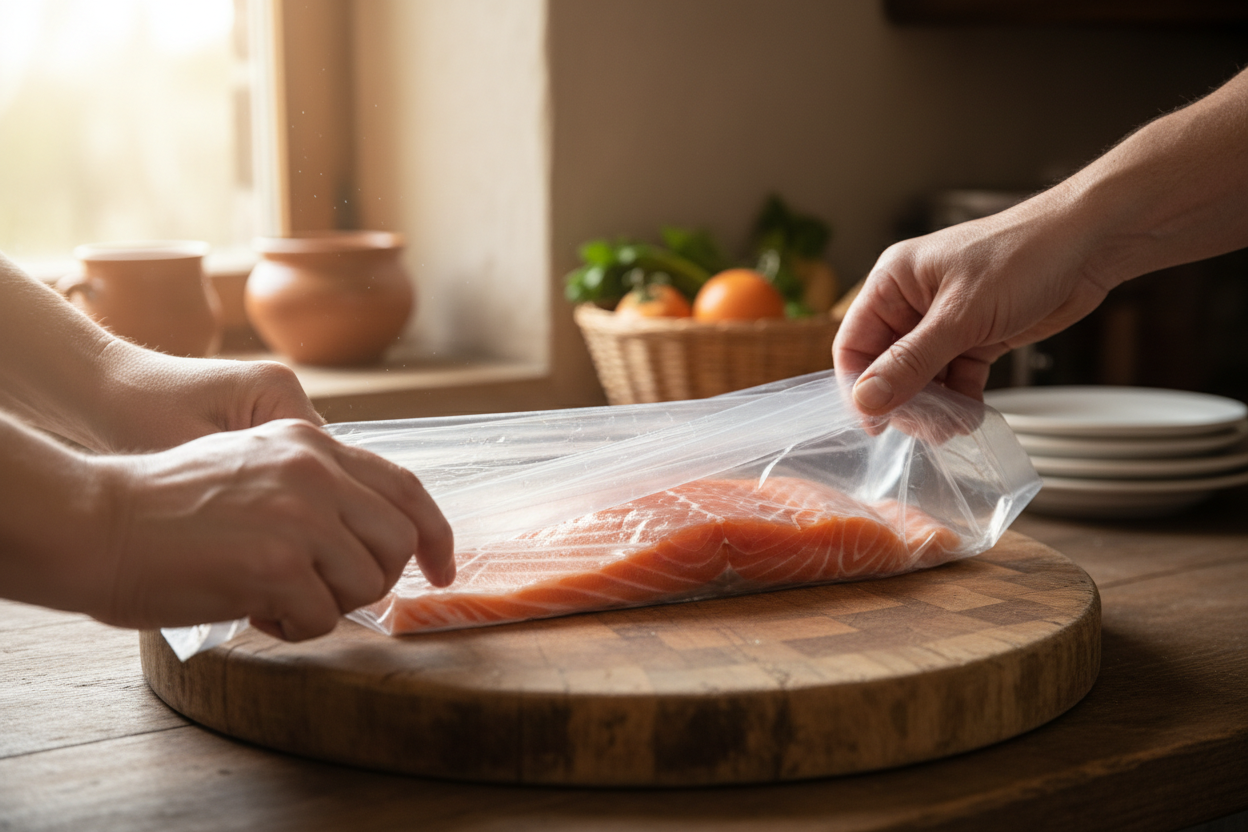

A vacuum sealer can extend the life of almost anything in your fridge or freezer — but is the upfront cost worth it?
The Question Everyone Asks Before Buying
You've probably seen vacuum sealers at a friend's house, watched a YouTube video about meal prep, or stumbled across one at Costco. And then you wondered: is this thing actually going to save me money, or is it just another gadget that collects dust? Fair question. Let's do the math — and be honest about it.
The short answer is yes, for most households a vacuum sealer pays for itself within a few months. But the long answer depends on how you shop, what you eat, and whether you'll actually use it. This guide breaks it all down so you can decide without the marketing fluff.
Quick Verdict
|
Your Situation |
Worth It? |
Why |
|
You buy meat, cheese, or produce in bulk |
✅ Yes |
Food lasts 3–5x longer; ROI in weeks |
|
You hunt, fish, or grow a garden |
✅ Absolutely |
Essential for preserving large quantities |
|
You meal prep weekly |
✅ Yes |
Cuts prep time and reduces spoilage |
|
You live alone, rarely cook |
⚠️ Maybe |
Lower food volume = slower payback |
|
You mostly eat out |
❌ Probably not |
Not enough food at home to offset cost |
What Does a Vacuum Sealer Actually Cost?
There are three things to factor in: the machine itself, the bags, and your time.
The Machine
Entry-level models run $30–$60 and work fine for occasional use. Mid-range units ($80–$150) handle thicker cuts, wet foods, and daily use much better. High-end or commercial models go above $200 but are overkill for most home kitchens.
Pro tip: Don't get the cheapest model if you plan to seal raw meat or liquids. Underpowered motors struggle and tend to fail fast.
The Bags
This is where ongoing costs live. Generic bags average $0.15–$0.30 each. Branded bags or rolls can run $0.40–$0.80+. If you're sealing 5–10 items a week, that's $5–$15/month in bags — totally manageable.
Reusable vacuum bags and containers exist too, which drop your long-term consumable costs significantly. Some users cut their bag cost by 80% by switching to reusable options after the first few months.
Where the Real Savings Come From

1. Dramatically Reduced Food Waste
The USDA estimates the average American household throws away roughly $1,500 worth of food per year. Even if a vacuum sealer helps you recover 20% of that, you're looking at $300/year in savings from food waste alone.
Here's why it works: vacuum sealing removes oxygen, which is the main driver of spoilage, freezer burn, and flavor degradation. Meat that lasts 6 months in a standard freezer bag can last 2–3 years when vacuum sealed.
|
Food |
Fridge (No Seal) |
Fridge (Vacuum Sealed) |
Freezer (Vacuum Sealed) |
|
Chicken breast |
1–2 days |
Up to 2 weeks |
2–3 years |
|
Hard cheese |
1–2 weeks |
4–8 months |
N/A |
|
Fresh berries |
3–5 days |
1–2 weeks |
12–18 months |
|
Cooked leftovers |
3–4 days |
Up to 2 weeks |
3+ years |
|
Coffee beans |
2–4 weeks |
3–6 months |
N/A |
2. Buy in Bulk Without the Waste
Bulk buying from Costco, Sam's Club, or a local warehouse is one of the fastest ways to cut your grocery bill — but only if you can actually use everything before it goes bad. A vacuum sealer removes that constraint entirely.
Buy a 10-pound pack of ground beef, portion it into meals, seal, and freeze. You just bought $8/lb beef instead of $12/lb from the regular shelf, and none of it goes to waste.
3. Sous Vide & Meal Prep Efficiency
If you've been curious about sous vide cooking, a vacuum sealer is essentially required. Seal your protein with herbs and butter, drop it in a water bath, and get restaurant-quality results at home. The sealed bags also stack cleanly in the freezer, turning your freezer into a personal meal kit service.
4. Non-Food Uses That Add Value
A good vacuum sealer earns its counter space beyond groceries:
• Preserve documents, photos, and electronics from moisture
• Store seasonal clothing and save closet space
• Protect medicine or first-aid kits from humidity
• Marinate meat in minutes instead of hours (seal and shake)
Running the Numbers: A Real Household Example

|
Category |
Without Vacuum Sealer |
With Vacuum Sealer |
Annual Savings |
|
Food waste (spoilage) |
~$800/year |
~$300/year |
$500 |
|
Meat (bulk vs regular price) |
$1,800/year |
$1,350/year |
$450 |
|
Meal prep time savings |
— |
~3 hrs/month |
Non-monetary |
|
Bag costs (monthly ~$8) |
— |
-$96/year |
-$96 |
|
Net annual savings |
— |
— |
~$854 |
With a mid-range vacuum sealer at $120 and $96 in bags for the year, your total first-year cost is $216. Your estimated savings: $854. That's a payback period of roughly 3 months — and every year after that is almost pure savings.
What to Look For in the Best Vacuum Sealer

Not all vacuum sealers are built the same, and the wrong machine will frustrate you into not using it. Here's what actually matters:
Suction Strength (kPa)
Higher kPa means stronger vacuum. For raw meat, fish, and wet foods, you want at least 20+ kPa. Cheap units often cap around 10–15 kPa and struggle with anything moist.
Wet/Dry Mode
Sealing a marinated chicken breast or a bag of soup? You need a model with a dedicated moist food or wet mode, or the liquid gets sucked into the motor and kills it.
Roll Storage & Built-in Cutter
Buying vacuum seal rolls (rather than pre-made bags) dramatically lowers your per-use cost. A machine with built-in roll storage and a cutter makes this seamless instead of annoying.
Bag Compatibility
Some machines only work with their proprietary bags (a classic razor-and-blades setup). Make sure your machine is compatible with third-party bags, or you'll pay a premium forever.
Is a Vacuum Sealer Right for You?

It's a Great Investment If You...
• Shop at warehouse stores (Costco, Sam's Club, BJ's)
• Buy meat in family packs or from a butcher
• Hunt, fish, or have a backyard garden
• Meal prep or batch cook on weekends
• Hate throwing out leftovers or wilted produce
• Travel frequently and want food ready when you return
You Might Want to Wait If You...
• Rarely cook at home (less than 2x/week)
• Have very limited freezer space
• Mostly buy pre-portioned, single-serve items
Even in the 'maybe' category, though, many people discover they change their habits after buying one — the sealer makes bulk buying and meal prep so easy that cooking at home becomes the default.
Is a Vacuum Sealer Right for You?
It's a Great Investment If You...
• Shop at warehouse stores (Costco, Sam's Club, BJ's)
• Buy meat in family packs or from a butcher
• Hunt, fish, or have a backyard garden
• Meal prep or batch cook on weekends
• Hate throwing out leftovers or wilted produce
• Travel frequently and want food ready when you return
You Might Want to Wait If You...
• Rarely cook at home (less than 2x/week)
• Have very limited freezer space
• Mostly buy pre-portioned, single-serve items
Even in the 'maybe' category, though, many people discover they change their habits after buying one — the sealer makes bulk buying and meal prep so easy that cooking at home becomes the default.
Common Mistakes People Make
If you've bought a vacuum sealer and it's sitting in a drawer, one of these is probably why:
• Buying the cheapest model. A $30 unit that fails after 6 months is a waste, not a deal.
• Forgetting to leave enough bag edge. You need at least 3 inches above the food for a proper seal. Too little and it doesn't close cleanly.
• Sealing still-hot food. Let food cool to room temp or fridge temp first, or you'll get condensation inside the bag.
• Ignoring reusable options. After the initial learning curve, reusable bags can cut your ongoing costs dramatically.
• Not labeling bags. Vacuum-sealed meat all looks the same at 6 months. Label with date and contents — always.
Why Fresko Vacuum Sealers Stand Out
For users who want dependable suction, wet food compatibility, and bag flexibility without paying commercial machine prices, Fresko was designed specifically for that middle ground.
Fresko machines support both wet and dry modes, come with built-in roll storage, and are compatible with any standard embossed vacuum bag — not just our own. If you want to explore what makes Fresko different from the most popular models on the market, check out our full comparison of the best-rated vacuum sealers of 2025.
FAQ
Is a vacuum sealer worth it for one person?
It can be, especially if you batch-cook or buy in bulk. The savings are smaller, but so is the investment. A $60–$80 unit can still pay off if you're diligent about sealing before freezing.
What's the best vacuum sealer according to consumer reports and reviews?
Top-rated machines consistently excel in three areas: reliable seals on the first try, strong suction for moist foods, and durability beyond the first year. Models in the $100–$150 range tend to hit that sweet spot for most home users.
Do vacuum sealers work for liquids?
Not directly — you can't pour liquid into a bag and seal it. But you can freeze the liquid first, then vacuum seal the frozen block. Or use a vacuum-compatible canister for liquid items.
How long do vacuum-sealed foods last in the freezer?
Most meats last 2–3 years vs 6–12 months in a standard bag. Fish and poultry: 1–2 years. Cooked meals: 2–3 years. The key variable is whether you got a good, airtight seal.
Are all vacuum sealer bags the same?
No. You need embossed (textured/channel) bags for external vacuum sealers to work properly. Smooth bags don't allow air to flow out. Fresko is compatible with any standard embossed bag, including bulk rolls from Amazon or warehouse stores.
Bottom Line
For most households that cook regularly, a vacuum sealer is one of the few kitchen gadgets that genuinely pays for itself. The math isn't complicated: if you throw away $50+ in food each month (most Americans do), you'll recoup a $120 machine in under three months.
The bigger question isn't whether to buy one — it's which one to get and whether you'll actually build the habit of using it. Start simple, pick a machine with wet and dry mode, get a roll of bags, and give it 30 days. Most people never look back.
Share:
How to Use a Vacuum Sealer: Step-by-Step (Beginner-Friendly)
Vacuum Sealer Prime Day Deals: How to Check an Offer